Engineerby training,builderby habit.
I'm an undergraduate engineering student at the University of Waterloo. My background is in applied chemistry and materials, but the work I gravitate toward sits anywhere a physical system meets a measurement, a model, or a piece of code.
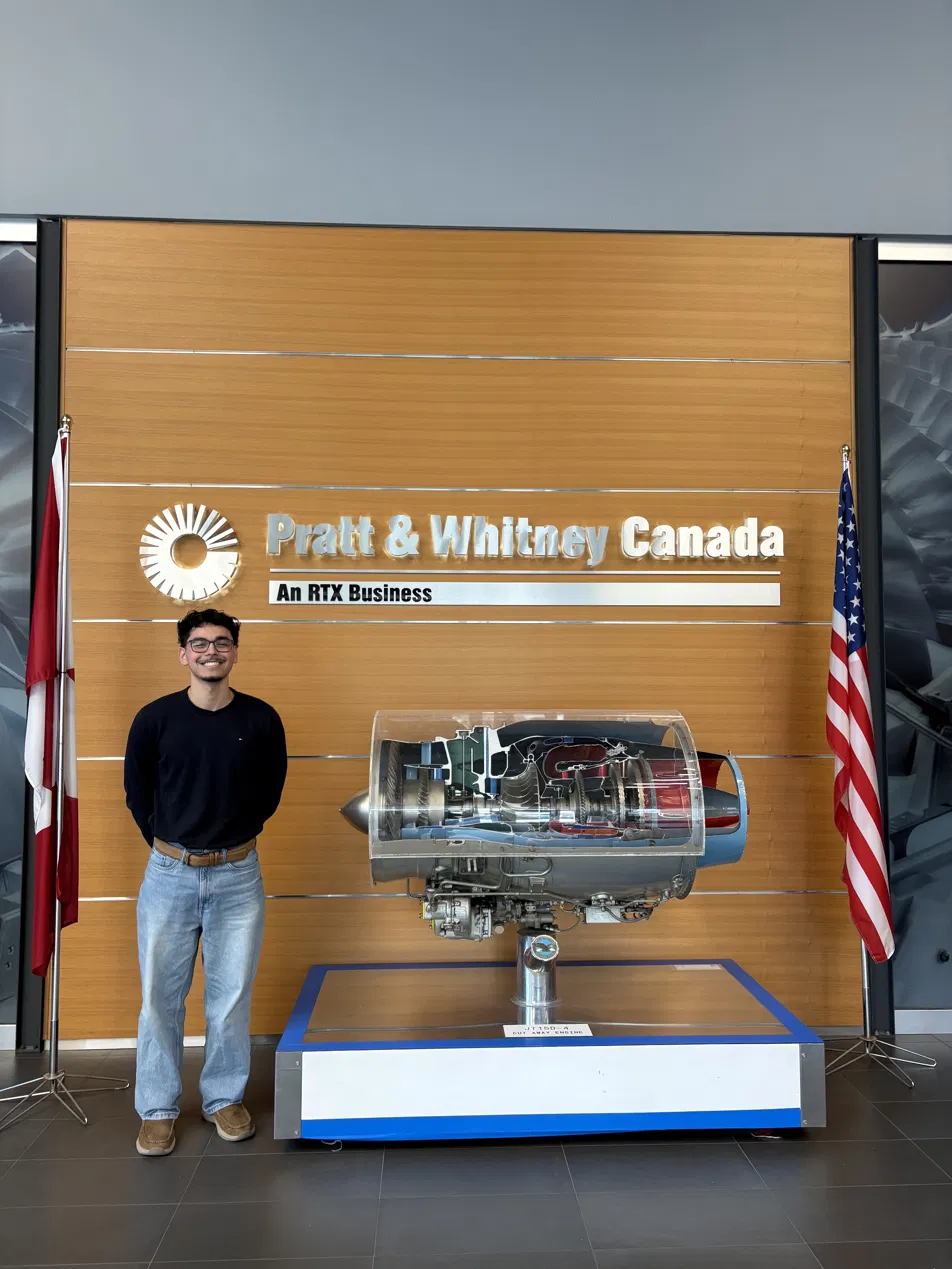
I am in my 2B term as a Chemical Engineering student at the University of Waterloo, focused on battery technology, materials engineering, and simulation-driven design. I'm drawn to projects where chemistry meets hardware, where data has to explain real physical behavior, and where the best answer comes from testing, measuring, and iterating.
My experience has taken me through materials research, industrial testing, and engineering software development. At CanmetENERGY, I worked on biocarbon densification for sustainable steelmaking. At Kamkar Labs, I worked with graphene, hydrogels, aerogels, and 3D-printed nanomaterial systems for energy storage and carbon capture applications.
More recently, I worked with Pratt & Whitney Canada's aeroacoustics team, developing MATLAB-based simulation and analysis tools for aircraft noise validation. That project combined signal processing, uncertainty analysis, and engineering workflow design.
Outside of internships and research, I build projects around EV systems, battery testing, and experimental hardware. This portfolio is where I document that work: the projects, the decisions, the testing, and the engineering behind them.
Engineering experience across simulation, materials testing, and energy systems.
Signal Processing Engineering Intern
Pratt & Whitney CanadaDeveloped MATLAB-based simulation and analysis tools for aircraft noise validation, combining aeroacoustics, uncertainty analysis, and signal-processing workflows.
Undergraduate Researcher
Kamkar Labs · University of WaterlooSynthesized graphene-based hydrogel and aerogel systems using electrolysis, filtration, and 3D-printing workflows for energy-storage and carbon-capture applications.
Materials Research Co-op
CanmetENERGY · Natural Resources CanadaEvaluated bio-oil and FeO hybrid binder systems through adhesion, wettability, pellet fabrication, and compression-strength testing.
B.A.Sc. Chemical Engineering
University of WaterlooBuilding an engineering foundation in materials, energy systems, process design, statistics, controls, and experimental problem-solving.
Not a comprehensive list — only things I've used in real projects.
Languages
03Tools
05Lab & instrumentation
06Domains
04Measure before deciding.
I try to turn assumptions into data as early as possible. Whether it is a material test, simulation output, or design tradeoff, the goal is to make the next decision easier to defend.
Build the tool that removes friction.
A small script, dashboard, or fixture can save hours of repeated work. I like building practical tools that make testing, analysis, and iteration faster.
Document the path.
Good engineering work should be understandable after the first pass. I write down the setup, assumptions, failures, and decisions so the work can be repeated and improved.
Connect the domains.
My best projects sit between materials, data, hardware, and simulation. I look for patterns across fields because that is often where better engineering decisions come from.